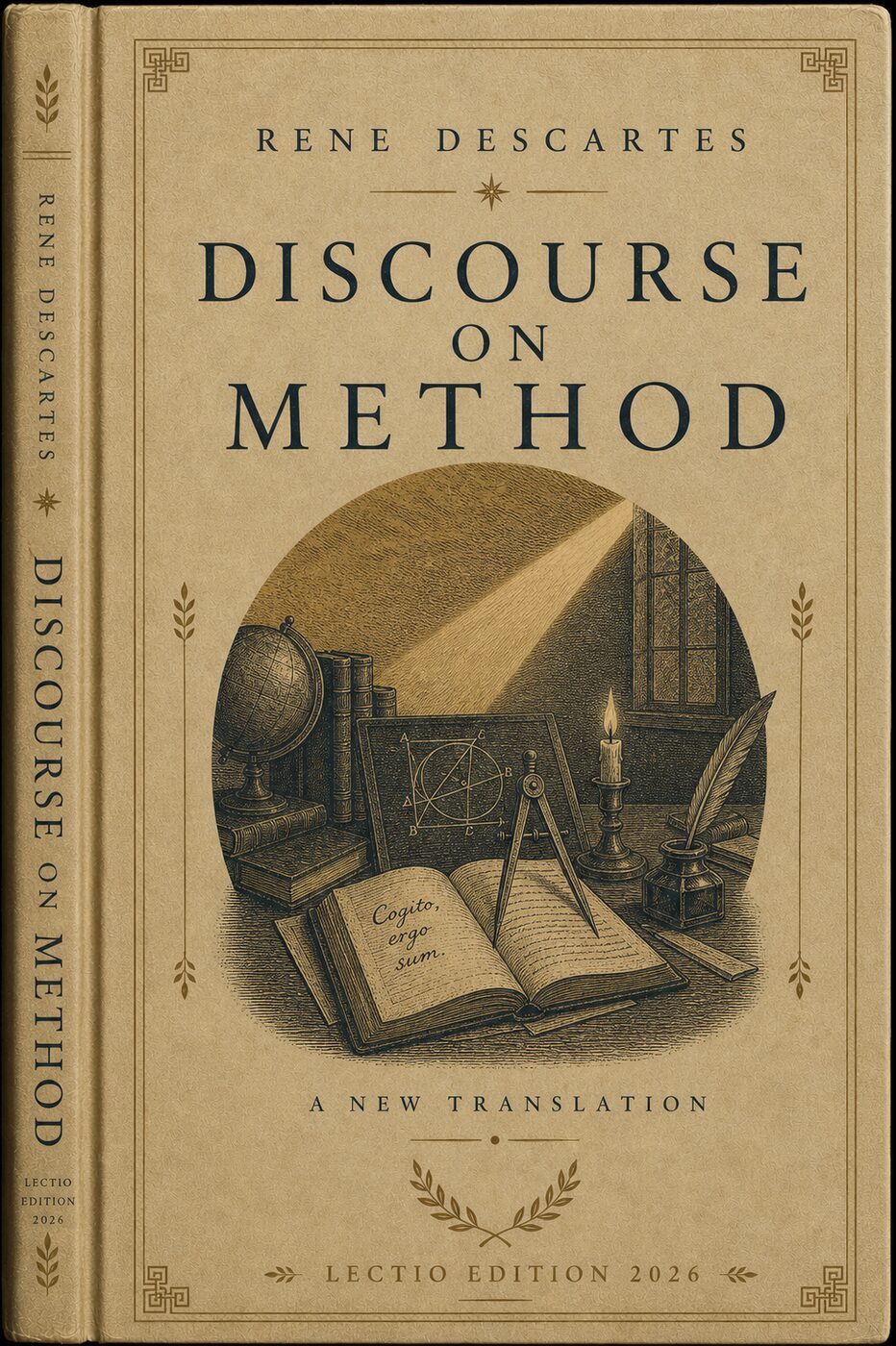
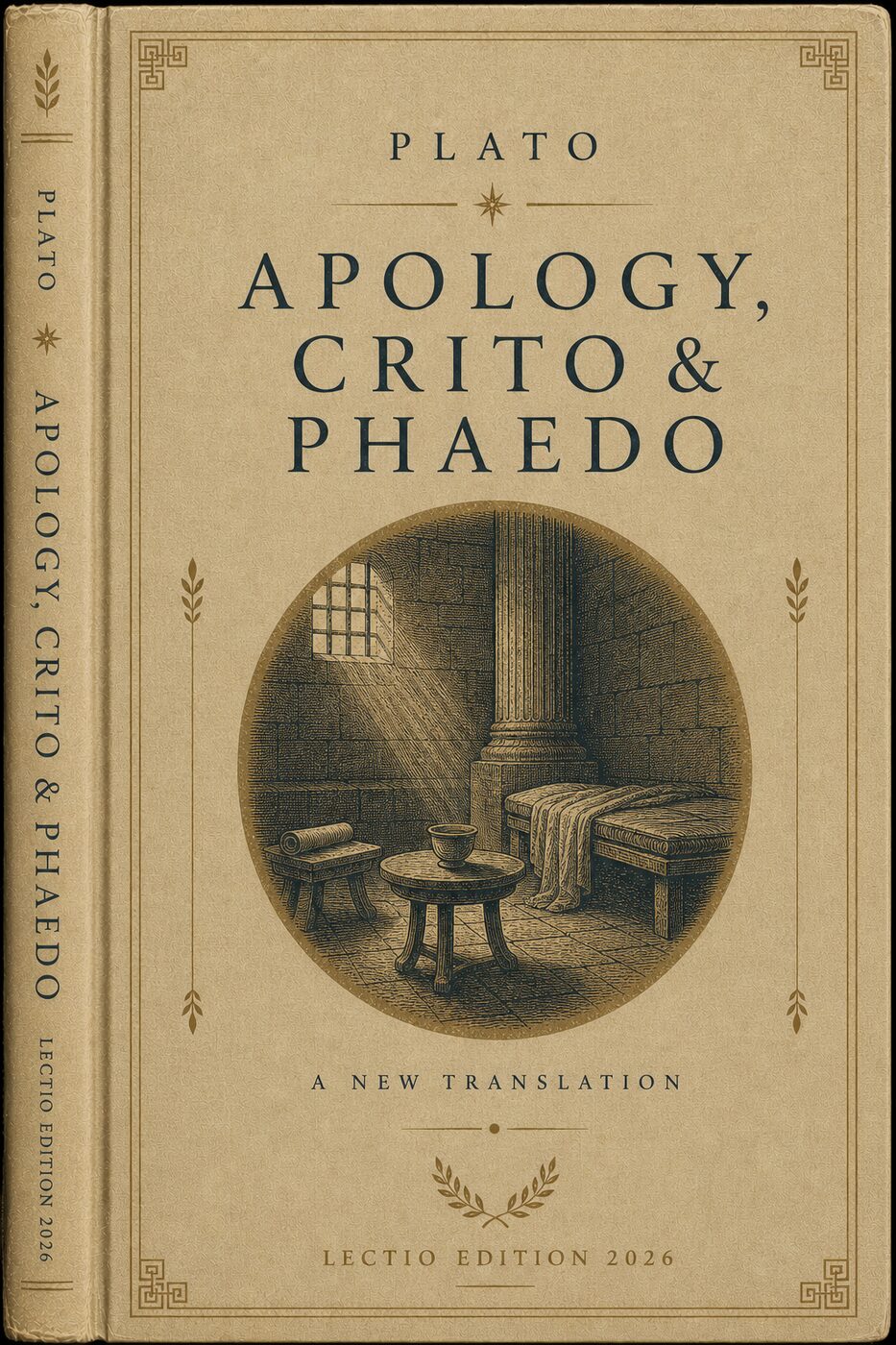
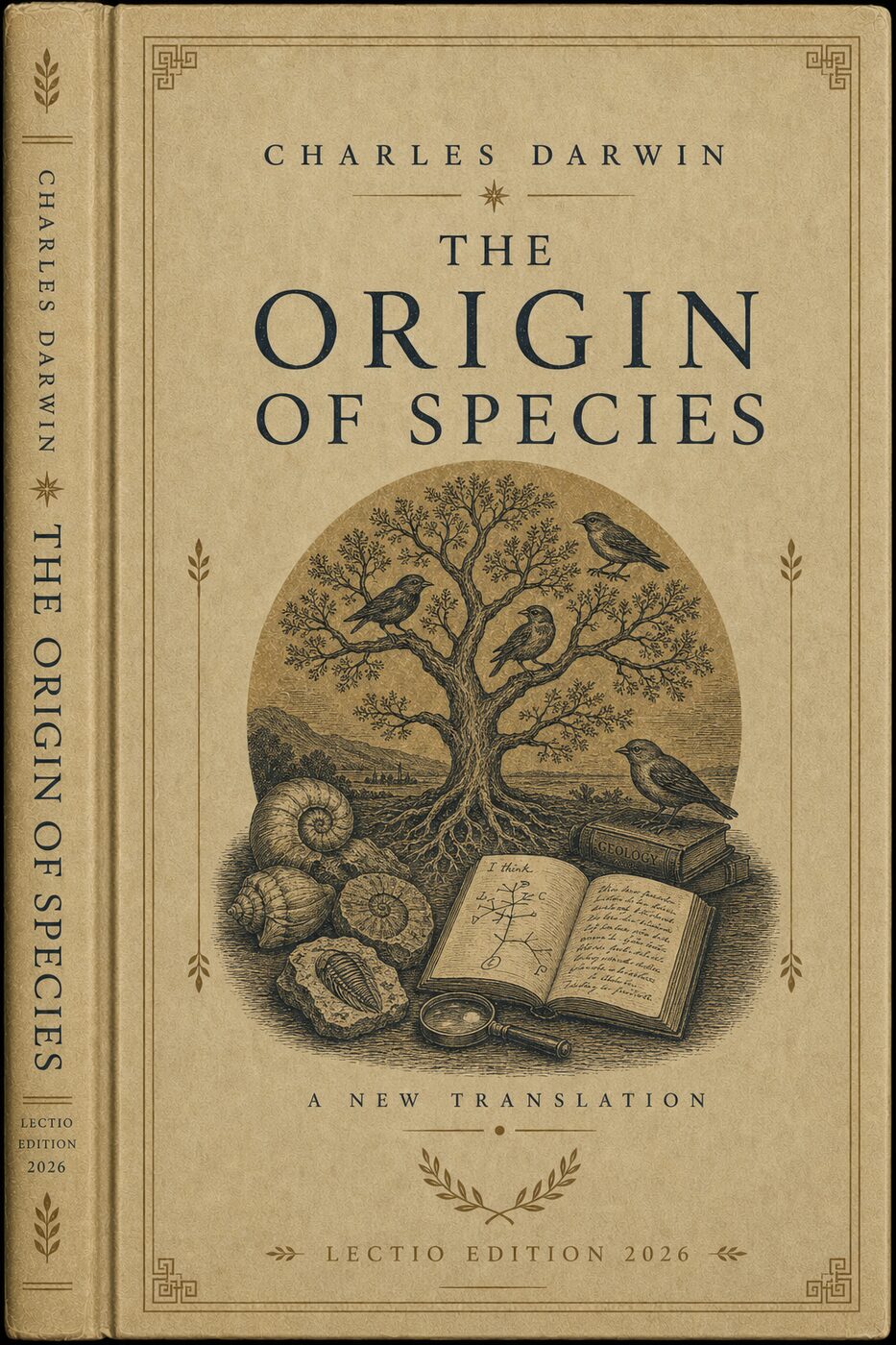
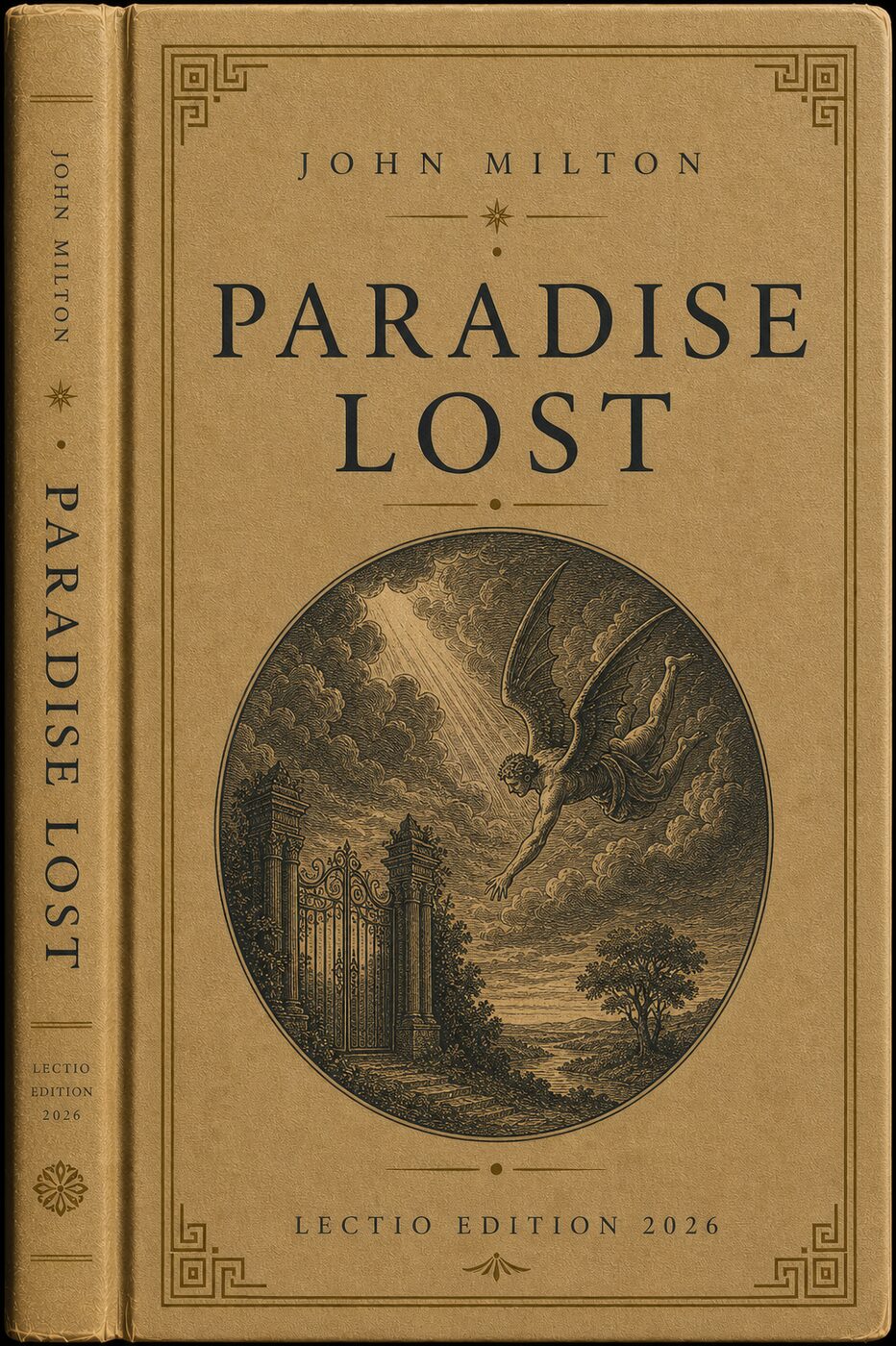
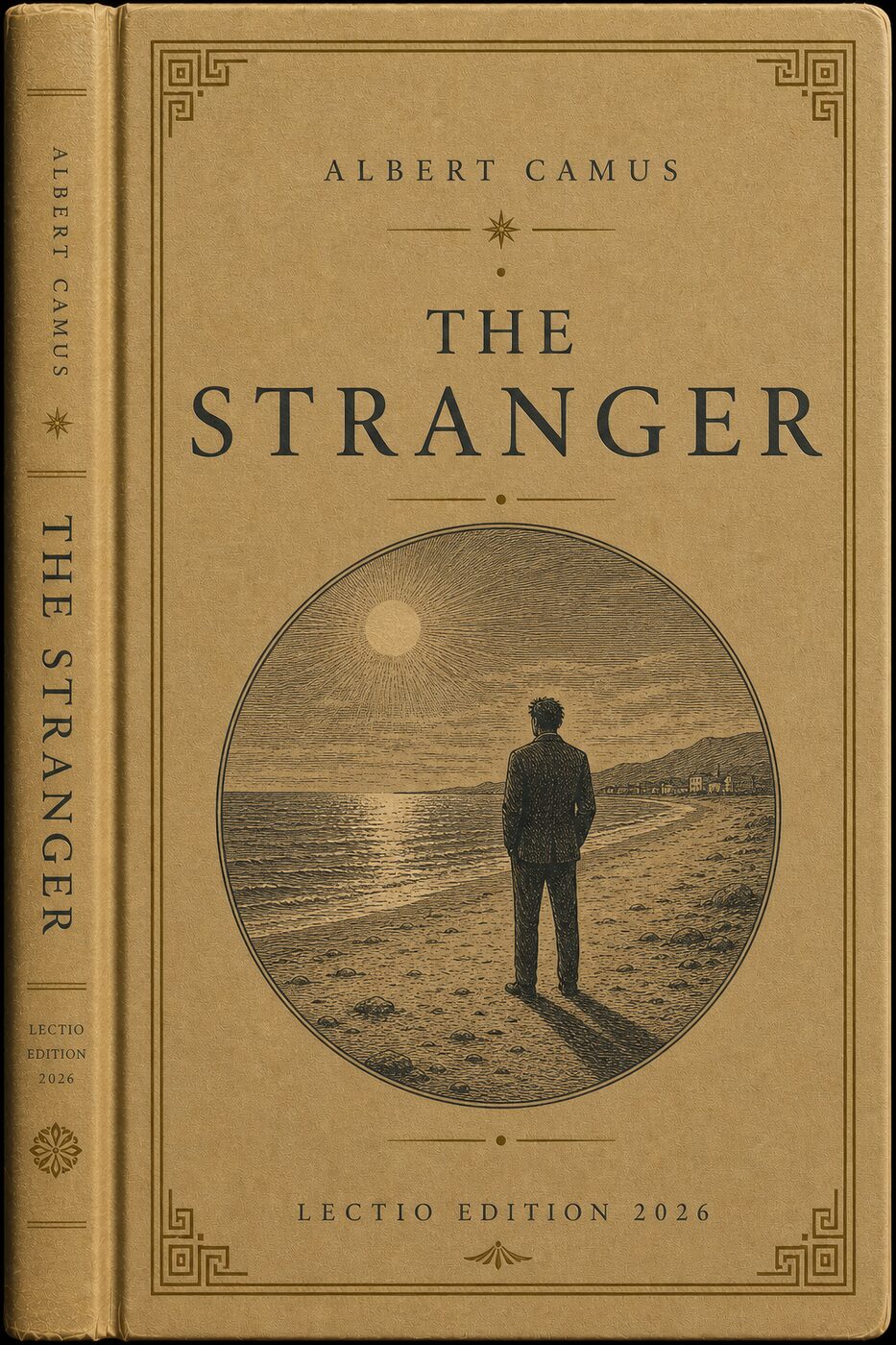
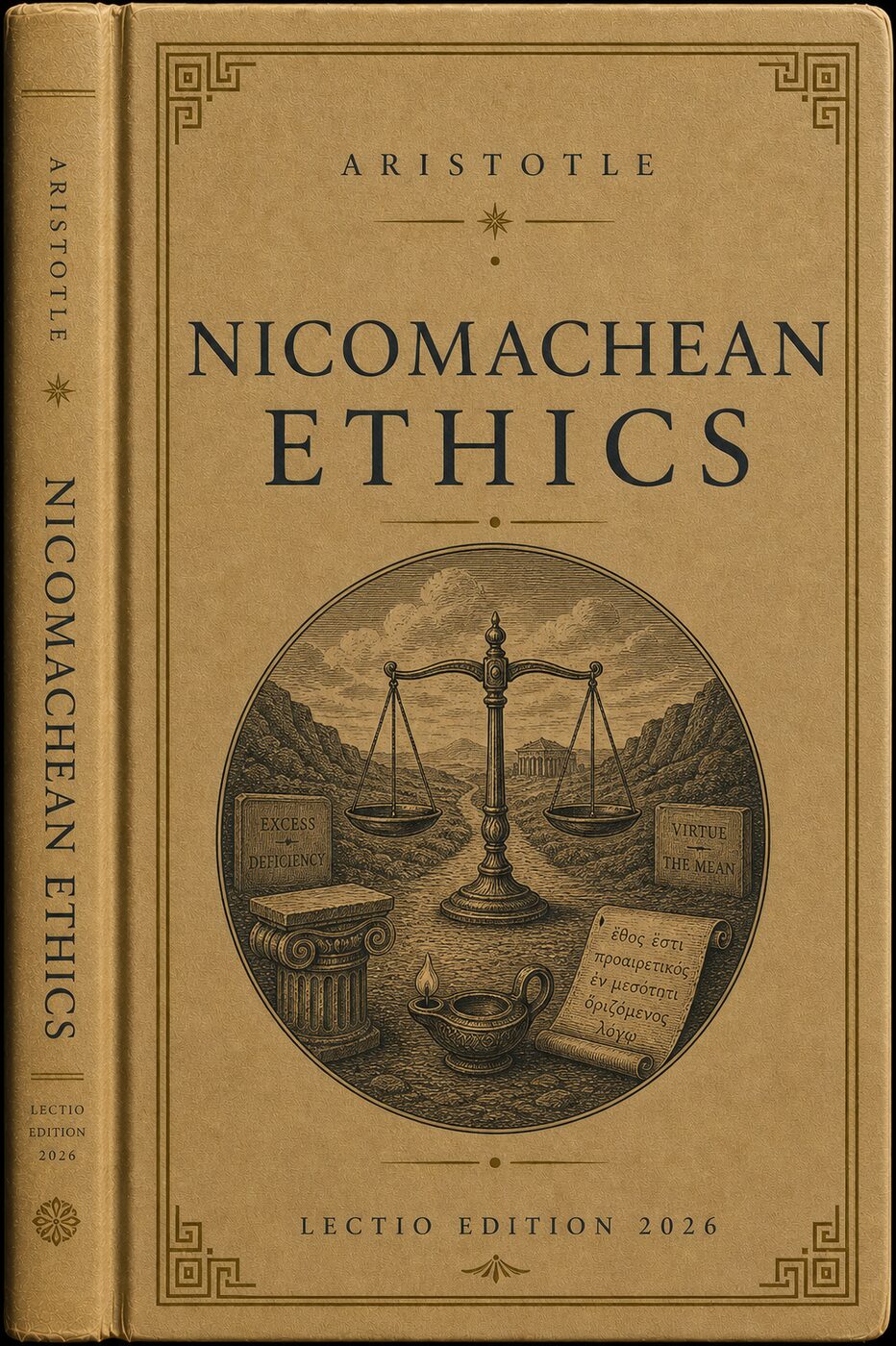
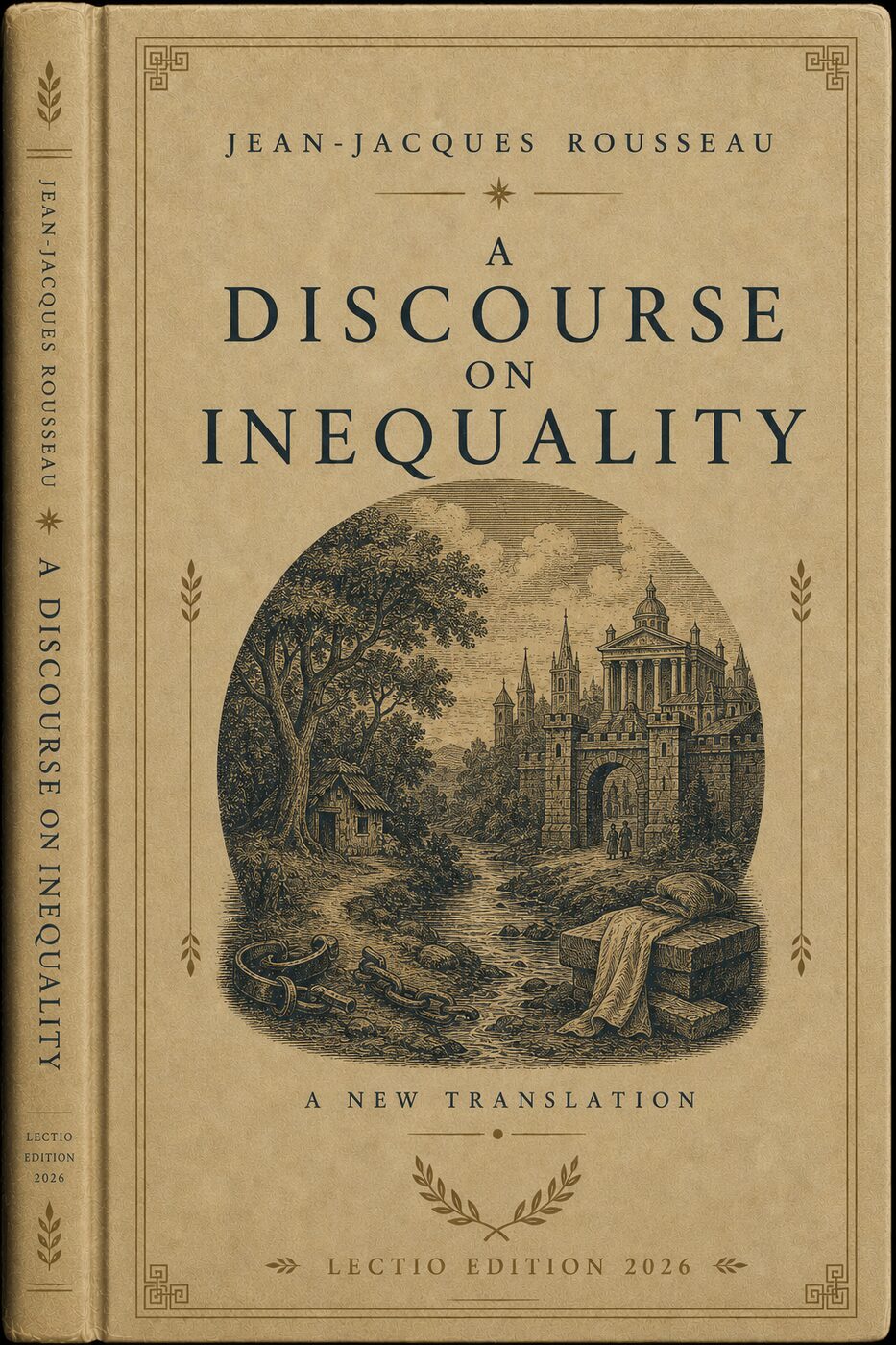

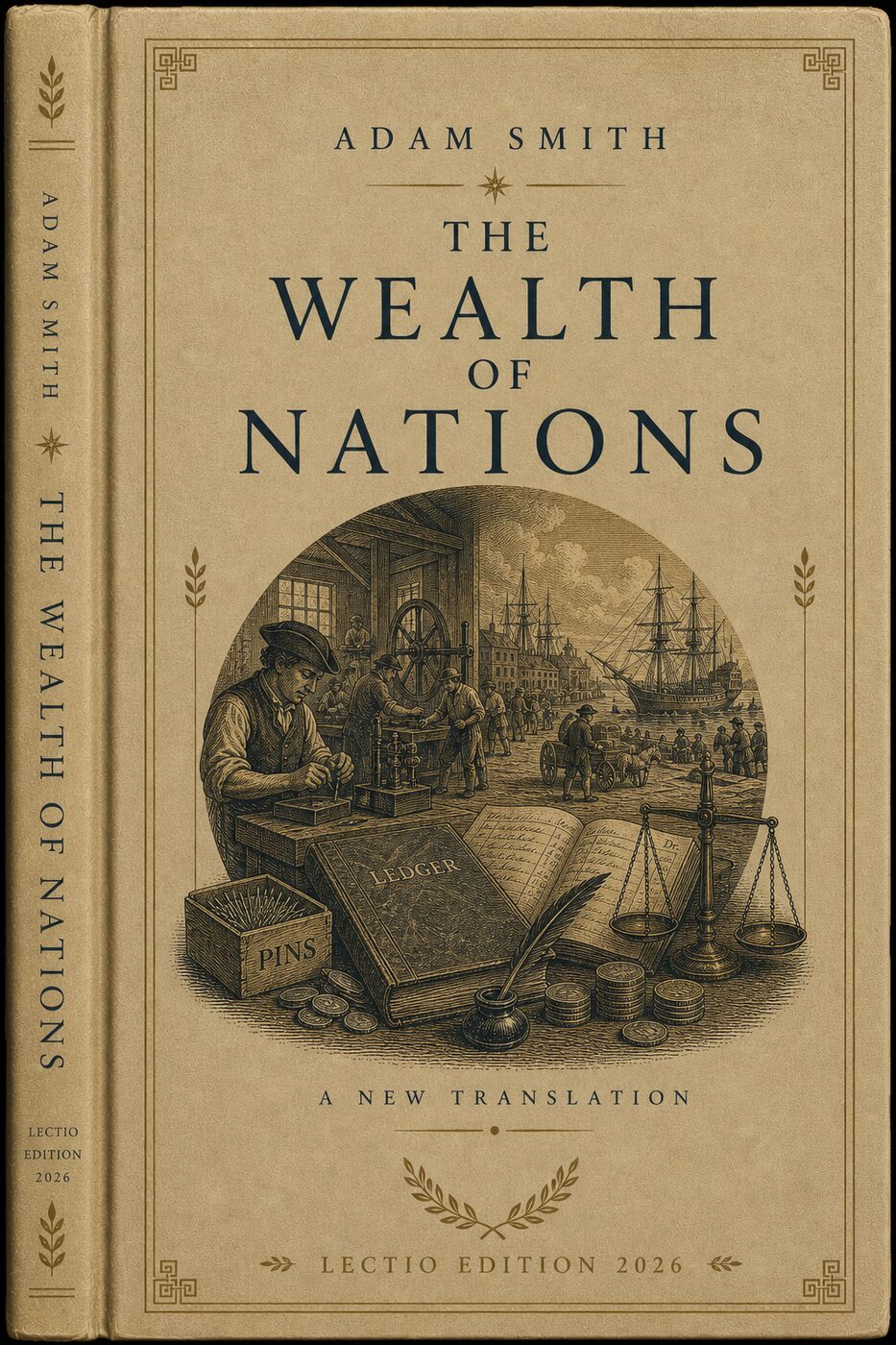
The greatest books ever written are almost entirely unread.
Not because people aren't capable. Because the on-ramp is brutal — and no one has fixed it.
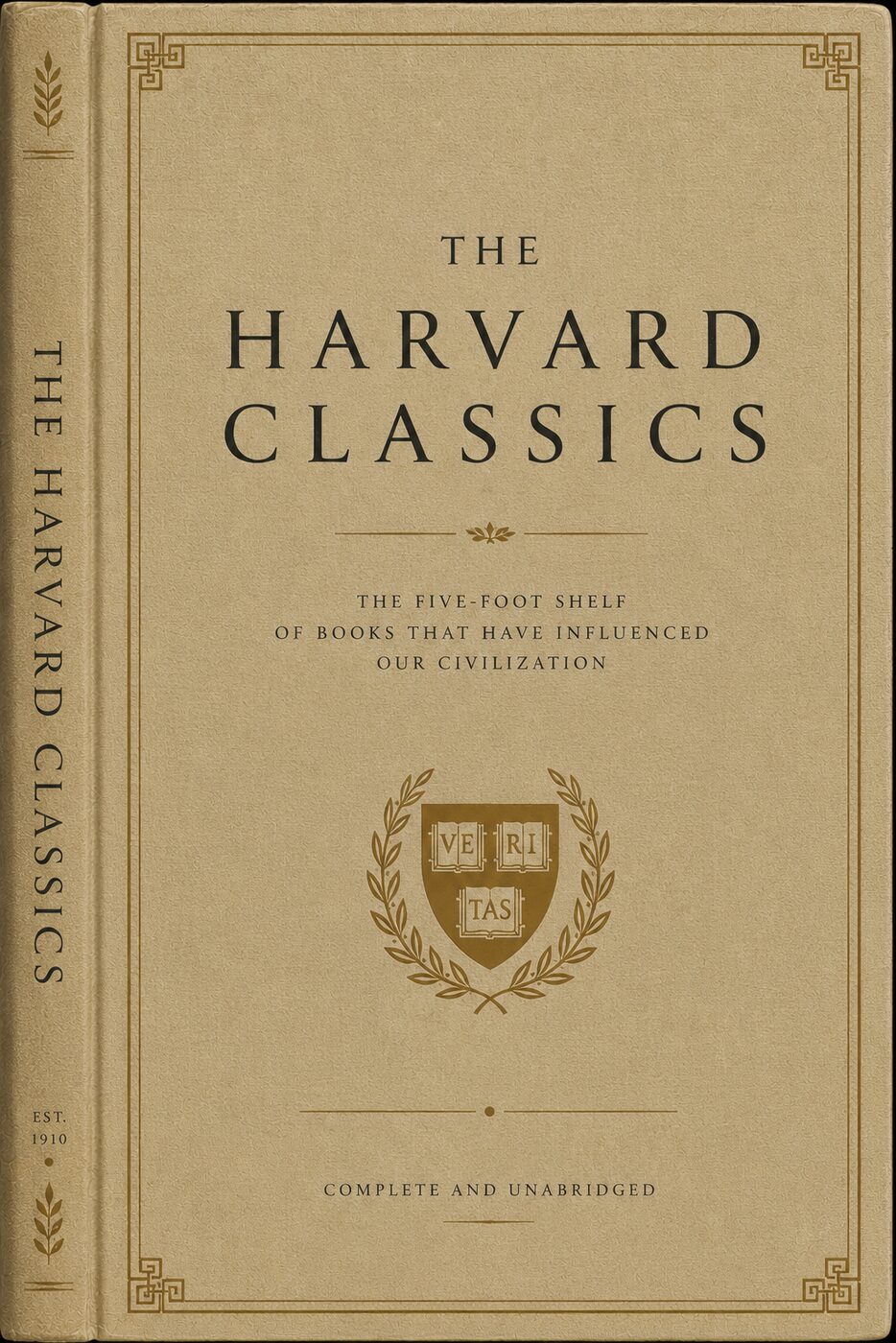
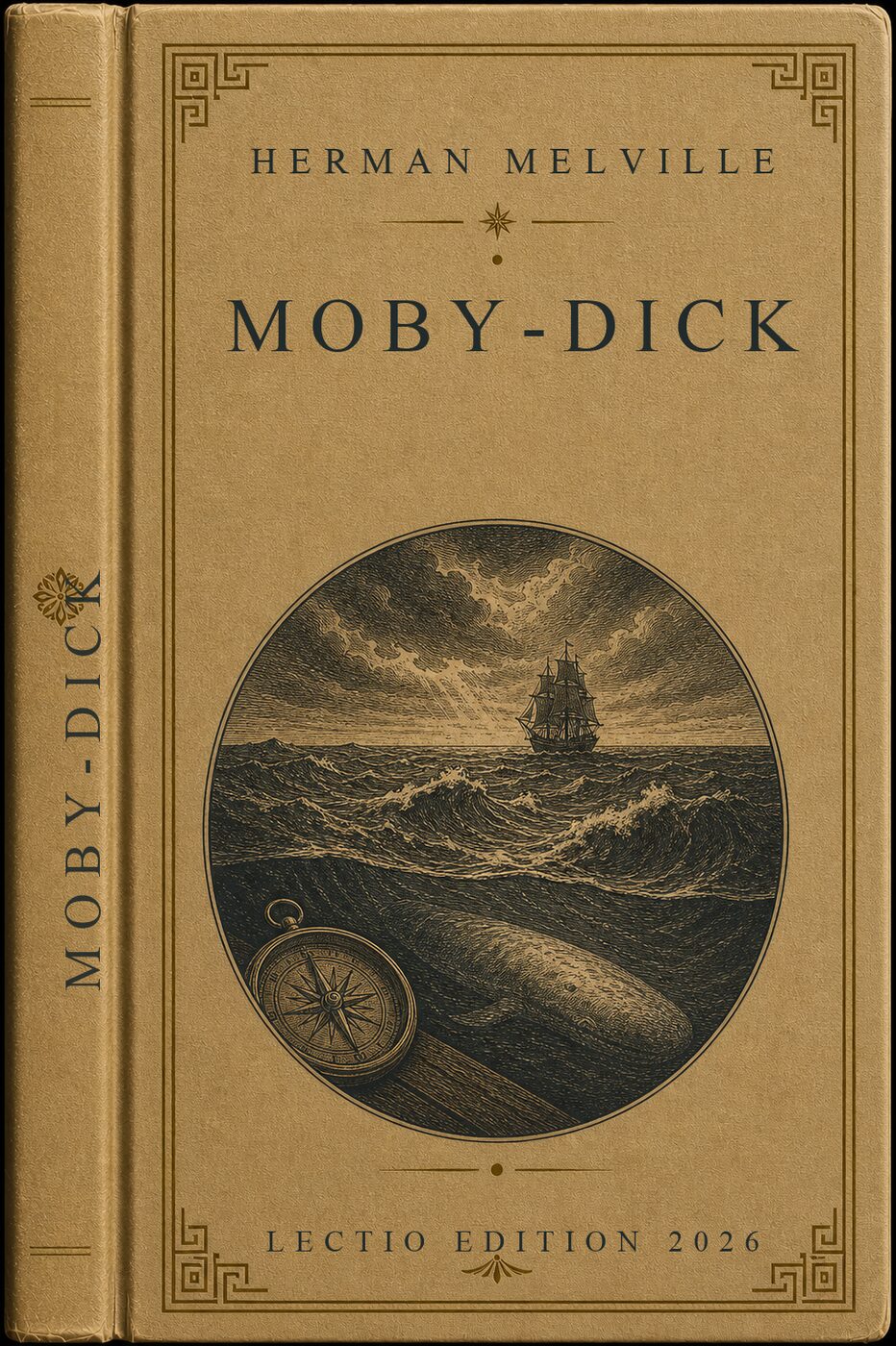
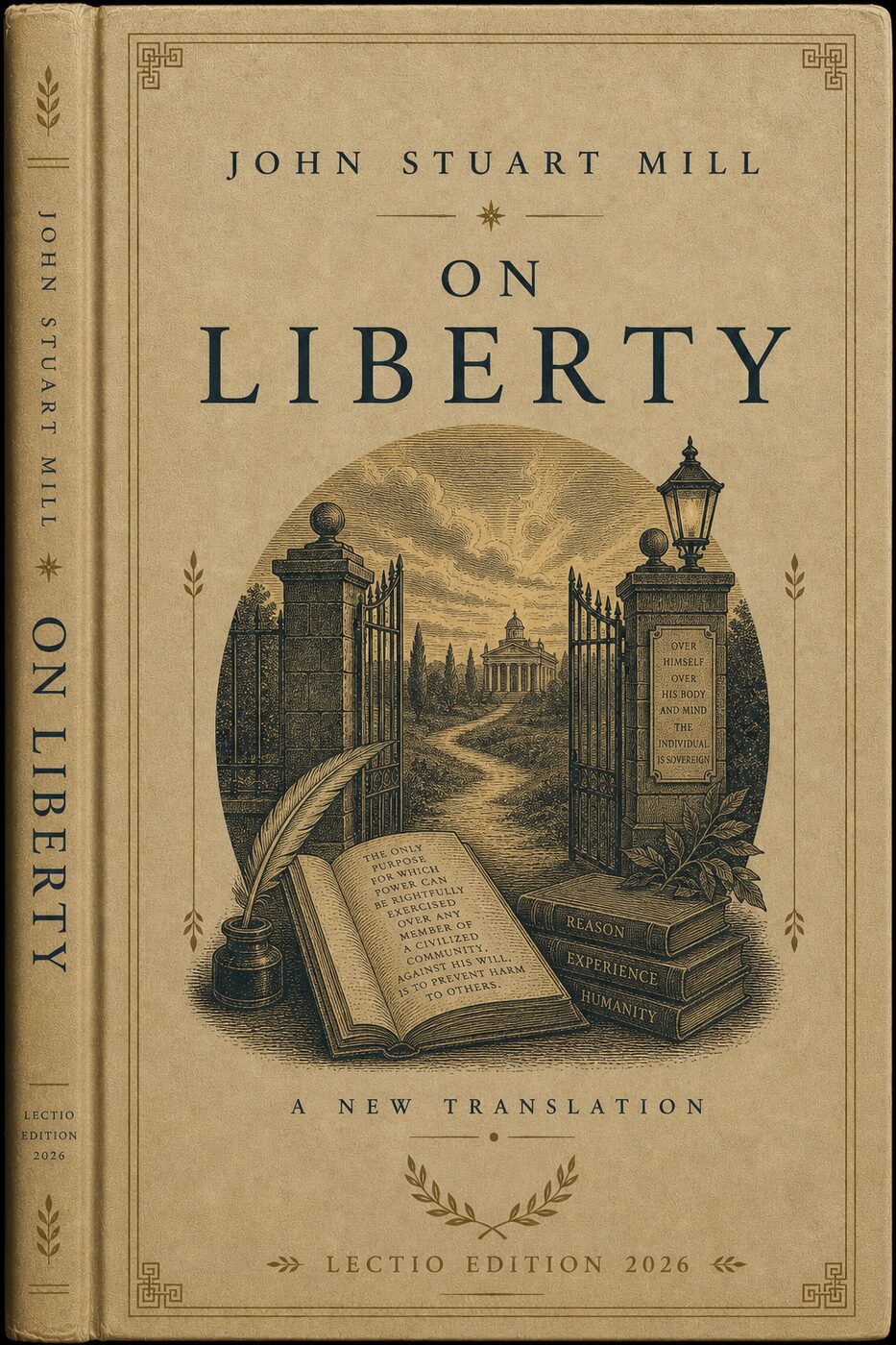
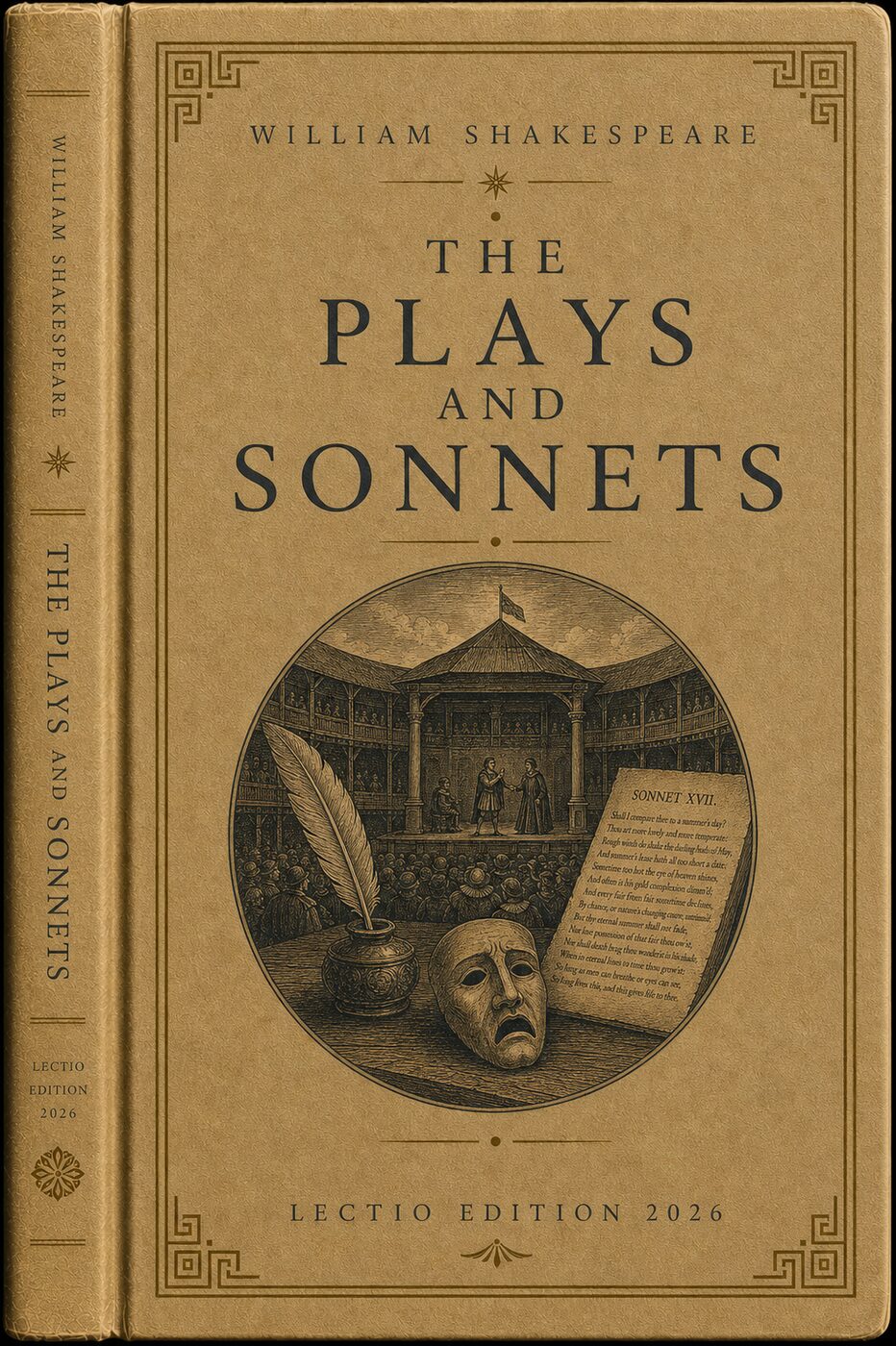
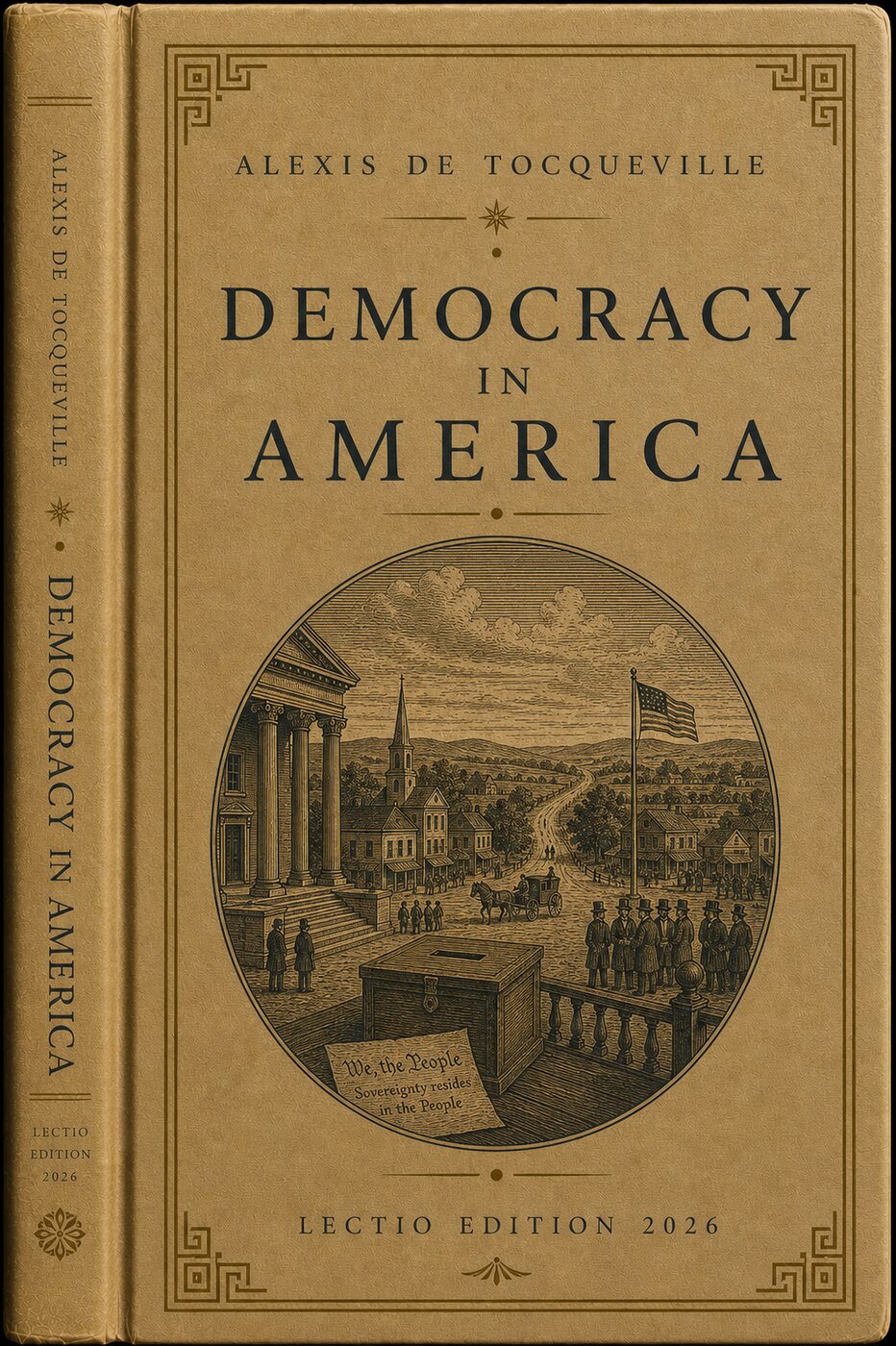
The Harvard Classics — 51 volumes, assembled in 1909 as the education any serious person could give themselves in fifteen minutes a day — are free, in the public domain, and contain some of the most important things ever written: The Iliad, Meditations, The Divine Comedy, Moby-Dick, On the Origin of Species, Democracy in America. And almost nobody reads them.
The reason is not laziness. It is the on-ramp: archaic translations that put even native English speakers at a remove, names and references that assume a classical education no one has anymore, dense walls of text with no context and no margin for the mind. Existing reading apps solve none of this — they hand you the same forbidding 1909 file and wish you luck.
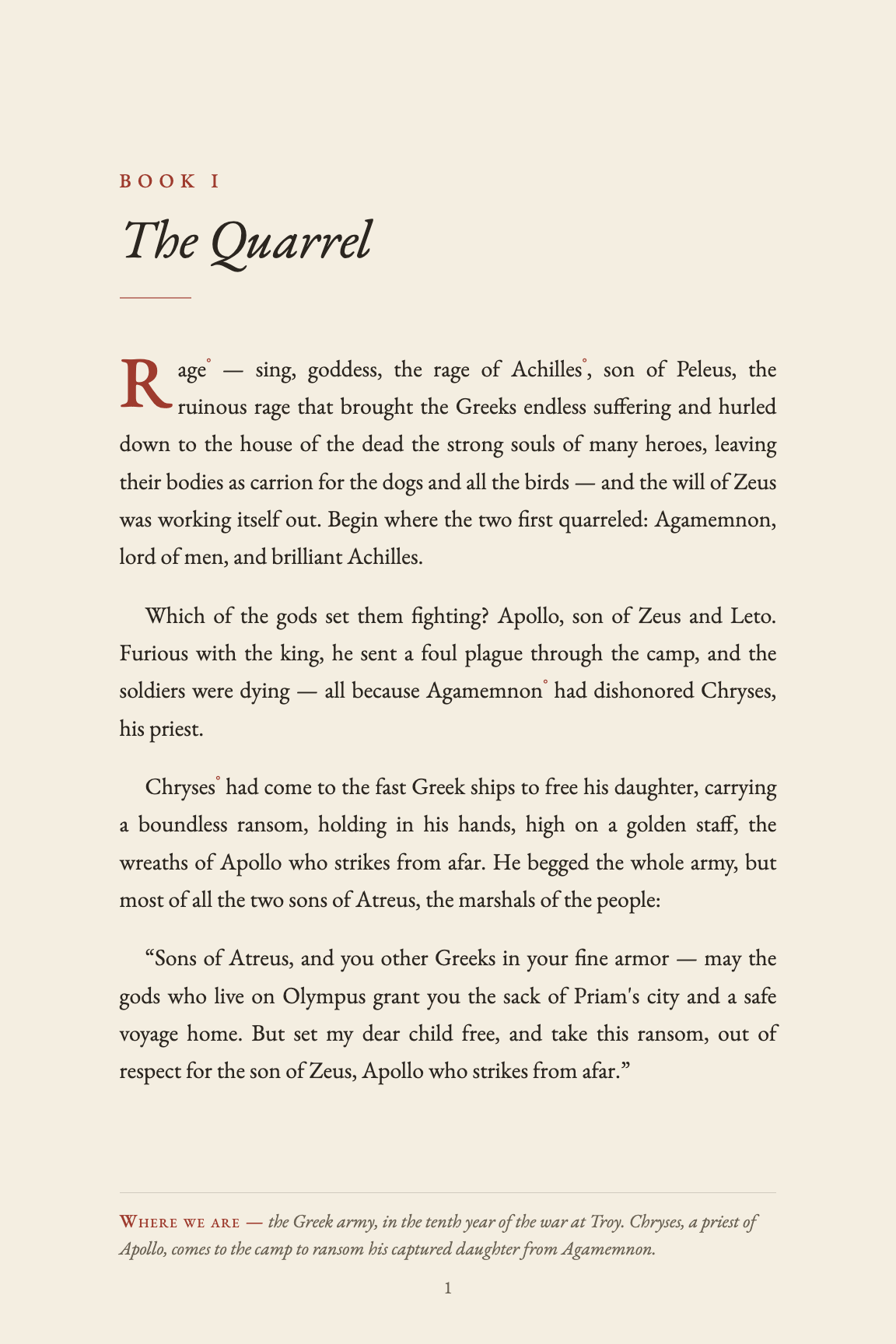
The research question Lectio investigates is what happens when you fix that. If you give a modern reader a clear, plain-English edition of The Iliad — synthesized from the full scholarly record, with context beside the text and every hard word a tap away — does the book become readable? The hypothesis is yes. And that the right instrument for this is not a summary, not a podcast, not an audiobook: it is the book itself, properly made for the reader it has now.
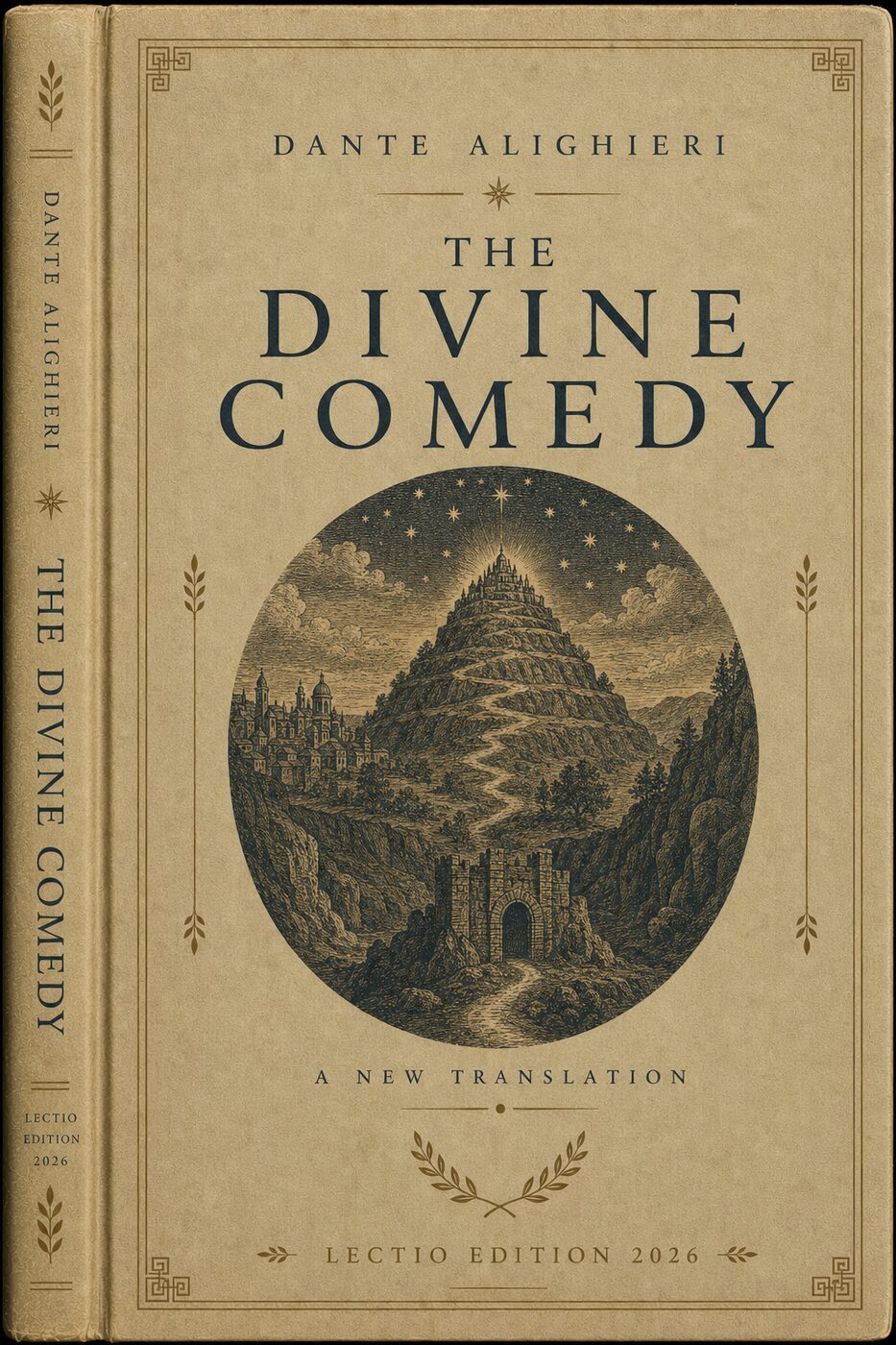
This is also a question about AI. Lectio holds that AI can either replace reading or deepen it, and that the design of every feature must choose between those two. A tool that reads for you removes the reader. A tool that removes the friction from stopping at an unknown word — or that gives you a plain-English edition of Dante instead of a nineteenth-century verse translation — leaves the reader intact while making the reader better. That distinction is the research.